Bagel Calories: Your Guide to Mindful & Balanced Choices
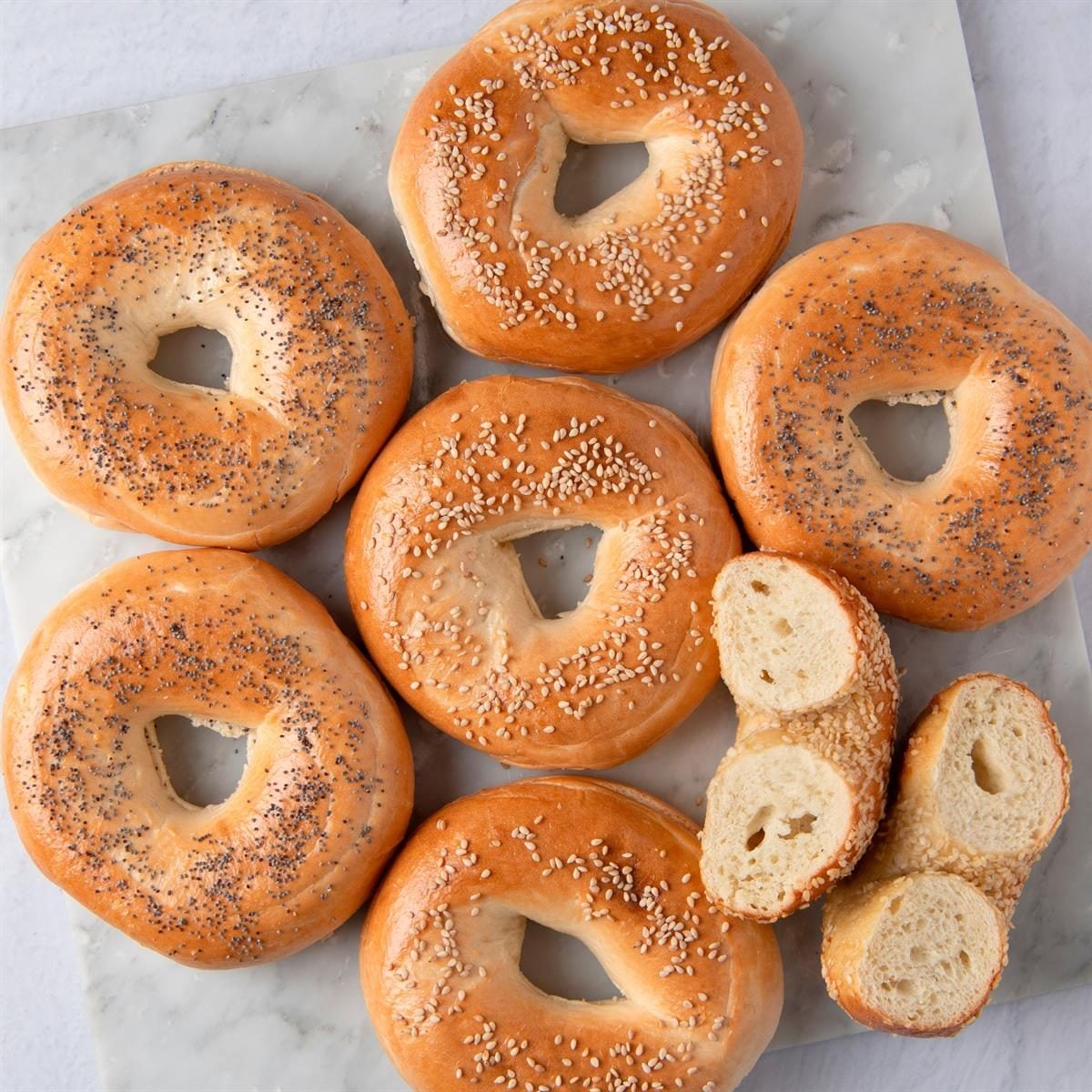
Who doesn’t love a fresh, warm bagel? Whether it’s topped with a generous layer of cream cheese or packed with savory ingredients, bagels are a beloved breakfast or snack for many. But have you ever stopped to consider the calorie count of your favorite bagel combo? You might be surprised!
Understanding the bagel calories in different varieties and their popular toppings is key to enjoying them as part of a balanced diet. A medium plain bagel typically contains between 250 and 300 calories, but this can vary significantly based on its size, flour type, and added flavors. While tempting toppings can quickly increase the total calorie intake, smart swaps and nutrient-rich additions can transform your bagel into a satisfying and healthy meal.
This guide will help you explore the nutritional facts of various bagels and toppings, providing expert tips on how to fit them into your diet without sacrificing enjoyment. Let’s dive in and learn how to savor your favorite bagels while staying on track with your wellness goals.
What’s Inside Your Bagel? Exploring Key Nutrients
While bagels are well-known for their carbohydrate content, they also offer a decent amount of protein and some fat. A standard medium plain bagel, weighing approximately 105 grams, provides roughly 290 calories, 1.7 grams of fat, 56 grams of carbohydrates, 11 grams of protein, and 2.4 grams of fiber.
It’s worth noting that larger bagels or those with added ingredients like cheese, chocolate chips, or a cinnamon-sugar crust can considerably increase their calorie, sugar, and fat content.
Estimating Bagel Size and Calorie Content
Bagel sizes can differ, impacting their calorie count. Here’s a simple way to estimate:
- Small (70–80 grams): Around the size of a drink coaster (about 3.5 to 4 inches across), typically containing 200 to 220 calories.
- Medium (105 grams): Roughly the size of a CD or DVD (about 4.7 inches across), with approximately 290 calories.
- Large (120–150 grams or more): Comparable to a burger bun (about 5 to 5.5 inches across), often ranging from 350 to over 400 calories.
Calorie Breakdown: Different Types of Bagels
The calorie content of bagels varies depending on their ingredients and preparation. Here’s a look at the approximate calorie, fiber, carb, and fat content for a medium-sized portion of popular bagel types:
| Bagel Type | Calories | Fiber (g) | Carbs (g) | Fat (g) |
|---|---|---|---|---|
| Cinnamon Raisin | 243 | 2 | 50 | 1 |
| Oat Bran | 268 | 4 | 53 | 2 |
| Plain | 270–289 | 2–3 | 54–56 | 1.5–2 |
| Egg | 270 | 2 | 53 | 1.5 |
| Onion | 272 | 2 | 54 | 1 |
| Multigrain | 272 | 4 | 52 | 2 |
| Sesame | 276 | 3 | 55 | 3.5 |
| Poppy Seed | 276 | 3 | 55 | 3.5 |
| Everything | 280 | 3 | 56 | 3.5 |
| Wheat | 300 | 5 | 58 | 2.5 |
| Pumpernickel | 301 | 5 | 57 | 3 |
| Asiago Cheese | 310–330 | 2–4 | 52–55 | 5–7 |
| Chocolate Chip | 330 | 2 | 60 | 3 |
| Cheddar Jalapeño | 350 | 3 | 56 | 8 |
| French Toast | 360 | 2 | 62 | 9 |
Topping It Off: Calories in Your Favorite Spreads and Add-ons
Toppings can transform a plain bagel into a culinary delight, but they can also significantly increase the total bagel calories. Let’s examine some common choices.
Cream Cheese Varieties
Cream cheese is a bagel’s best friend, but options vary in calorie count:
| Type | Calories (per 2 tbsp.) | Notes |
|---|---|---|
| Regular Cream Cheese | 100 | Calorie count can vary based on the cream cheese type and base (e.g., almond, cashew, or coconut milk for dairy-free options). |
| Whipped Cream Cheese | 60–70 | Its airy texture typically means fewer calories per serving. |
| Reduced-Fat Cream Cheese (Neufchâtel) | 70–80 | A lighter choice with less fat and calories compared to regular cream cheese. |
| Fat-Free Cream Cheese | 30–40 | The lowest-calorie option, though its texture and flavor might differ. |
| Flavored Cream Cheese | 80–120 | Varieties like chive, strawberry, or garden veggie add flavor but may contain added sugars or sodium. |
| Vegan Cream Cheese | 80–100 | Calories depend on the cream cheese type and base (e.g., almond, cashew, or coconut milk); dairy-free. |
Other Popular Bagel Toppings
| Topping | Calories | Fat | Notes |
|---|---|---|---|
| Butter | 100 (1 tbsp) | 11g (1 tbsp) | Offers a rich flavor. A thin spread can go a long way to add flavor without excess calories. |
| Jam | 50 (1 tbsp) | 0g | Adds sweetness. For less sugar, consider fresh fruit slices as an alternative. |
| Smoked Salmon | ~95 (2 tbsp) | Minimal | Provides protein and omega-3 fats, which are beneficial for heart health. |
| Avocado | 80 (¼ avocado) | Healthy fats | A creamy, nutrient-dense option with healthy fats and fiber that can help you feel full longer. |
| Hummus | ~95 (2 tbsp) | Moderate | Offers a good mix of protein and fiber for sustained satiety. |
Making Bagels Part of a Balanced Diet
Yes, bagels can absolutely be included in a healthy eating plan! The key is portion control and making thoughtful food choices. By pairing bagels with nutrient-dense foods, you can create a satisfying and well-rounded meal. Here are some tips:
- Choose a Whole-Grain Base: Opt for whole-grain, multigrain, or whole-wheat bagels to boost fiber and nutrient intake, supporting digestion and keeping you full longer.
- Go Open-Faced: Reduce calories and carbohydrates by using only half a bagel as your base and loading it with your favorite toppings.
- Prioritize Protein: Pair your bagel with protein-rich foods to enhance satiety and help balance blood sugar levels. Consider eggs (scrambled, poached, or boiled), smoked salmon, or turkey slices.
- Add Healthy Fats: Incorporate fats that provide energy and flavor, such as avocado slices, hummus, or nut butter (try powdered versions for fewer calories).
- Load Up on Veggies: Fresh vegetables add crunch, flavor, and essential nutrients. Think sliced cucumbers, tomatoes, red onion, leafy greens like arugula or spinach, or pickled onions for an extra zing.
- Sweeten Smartly: For a sweet treat, add fresh fruits like berries or banana slices, a drizzle of honey, or light cream cheese with fruit preserves.
- Be Mindful of Portion Sizes: Sometimes, half a bagel or a mini bagel is enough to satisfy your craving. While some people scoop out the center to save calories, this might make your meal less filling.
- Pair with a Side: Balance your meal by adding healthy sides like a side salad, fresh fruit, Greek yogurt for extra protein, or veggie sticks with hummus.
Lighten Up Your Favorite Bagel Combos
It’s easy for the calories in popular bagel combinations to add up quickly. Here’s how you can enjoy your favorites with a lighter touch:
- Classic Cream Cheese (plain bagel + 2 tbsp regular cream cheese): Originally 350-450 calories. Lighten it up: Swap regular cream cheese for a reduced-fat or whipped version (200-300 calories total).
- Bagel with Butter (plain bagel + 1 tbsp butter): Originally 330-400 calories. Lighten it up: Use a light butter spread or a thin layer of avocado (250-300 calories total).
- Lox and Cream Cheese (plain bagel + 2 tbsp cream cheese + 2 oz smoked salmon): Originally 480-550 calories. Lighten it up: Use whipped cream cheese or Greek yogurt spread, and add more veggies like cucumbers, red onion, and tomatoes (350-400 calories total).
- Peanut Butter Bagel (plain bagel + 2 tbsp peanut butter): Originally 450-500 calories. Lighten it up: Use 1/2 tablespoon of peanut butter and add half a sliced banana (360 calories total).
- Avocado Toast Bagel (whole wheat bagel + 1/2 avocado + seasoning): Originally 450-550 calories. Lighten it up: Use a thin layer of mashed avocado and add more fresh veggies like sprouts or tomatoes (~300-400 calories total).
- Bacon, Egg, and Cheese Bagel (plain bagel + 2 strips bacon + 1 fried egg + 1 slice cheddar cheese): Originally 600-700 calories. Lighten it up: Use a whole wheat or smaller bagel, swap regular bacon for turkey bacon or omit it, opt for a poached egg with reduced-fat cheese, and add spinach or tomato for extra nutrients (400-500 calories total).
Make Healthier Choices with myCalore
Bagels can certainly be a satisfying and enjoyable part of your daily diet, especially when you approach them with mindfulness. By opting for whole-grain varieties, incorporating nutrient-dense toppings, and practicing smart portion control, you can indulge in your favorite bagel without derailing your health goals.
Remember, healthy eating is about making informed choices that work best for your lifestyle, not about rigid restrictions. If you’re looking for personalized tools to help you track your micro and macro nutrients and make balanced dietary decisions, myCalore is an innovative app that simplifies this process directly via WhatsApp. Discover how myCalore can support your healthy eating journey today.
FAQ
How many calories are typically in a plain bagel?
A medium plain bagel (about 105 grams) usually contains between 250 to 300 calories, but this can vary based on its size and ingredients.
Do toppings significantly increase bagel calories?
Yes, toppings like regular cream cheese, butter, and rich spreads can quickly add a substantial amount of calories and fat to your bagel. Mindful choices, like reduced-fat options or fresh vegetables, can help.
What are some tips for enjoying bagels healthily?
To enjoy bagels as part of a balanced diet, choose whole-grain options, consider eating them open-faced, prioritize protein and healthy fats in your toppings, load up on fresh vegetables, and be mindful of your portion sizes.
Are there lower-calorie cream cheese alternatives?
Yes, you can opt for whipped cream cheese, reduced-fat (Neufchâtel) cream cheese, or fat-free cream cheese to significantly lower the calorie and fat content compared to regular cream cheese.
How can myCalore help me manage my bagel consumption?
myCalore allows you to easily track your micro and macro nutrients via WhatsApp, helping you understand how bagels and their toppings fit into your overall dietary goals and enabling you to make more informed and balanced choices.