Soy: Unpacking Benefits, Busting Myths, & Health Facts
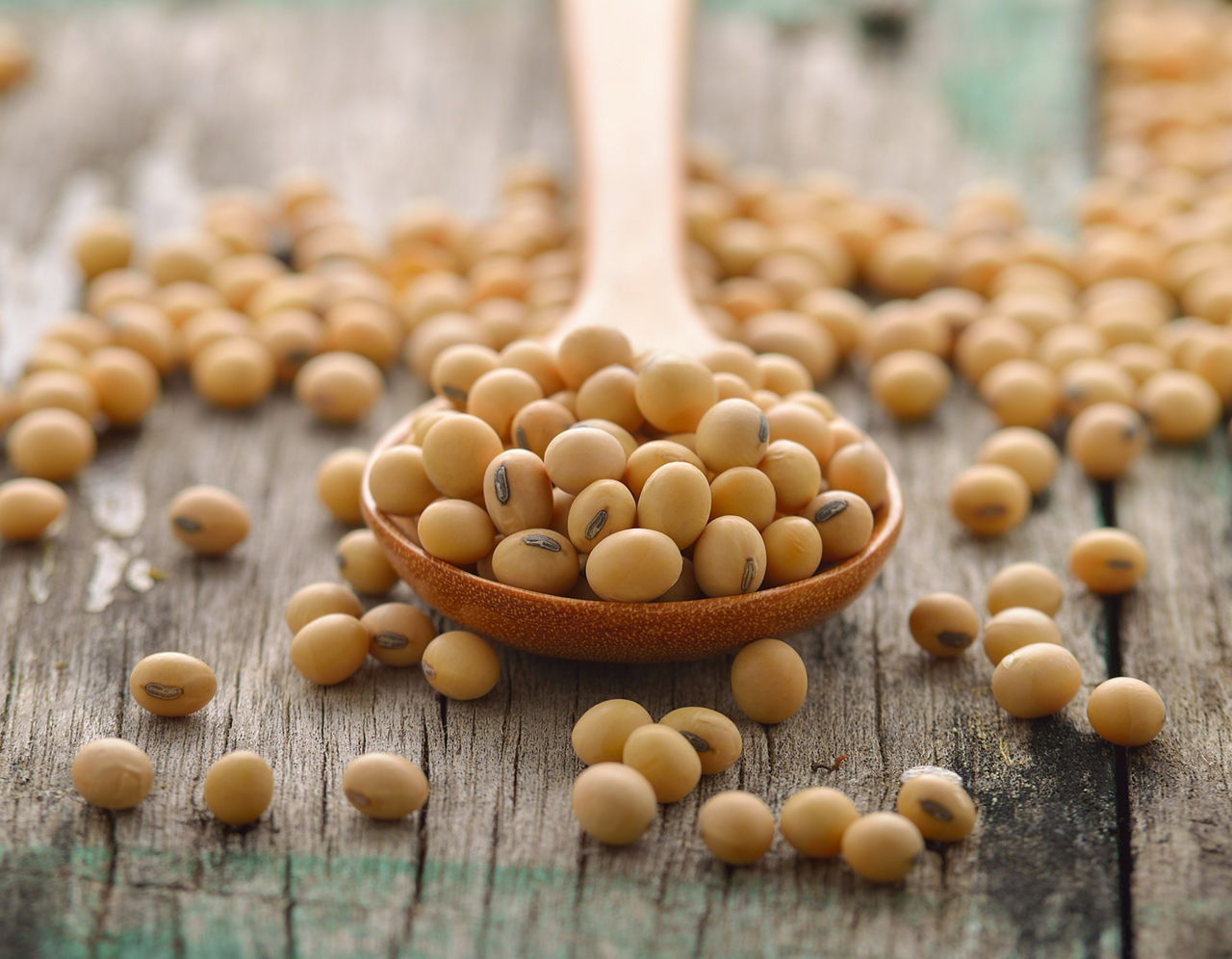
Soy has been a dietary staple for centuries, particularly in Asian cultures, and has gained significant attention globally for its versatility and nutritional profile. Yet, alongside its widespread use, there’s a lot of chatter about soy health benefits myths and facts. It’s easy to get confused with all the information out there, so let’s dive into what soy really is, its confirmed advantages, and debunk some common misconceptions.
What Exactly is Soy? A Versatile Bean
Before we talk about health, let’s understand what soy encompasses. Soybeans are a type of legume, celebrated for their high protein content and essential nutrients. They can be enjoyed in many forms, from whole beans to highly processed products. Think about edamame (young soybeans), miso (fermented soybean paste), natto (fermented whole soybeans), and even soy milk or tofu. Each form offers a slightly different nutritional profile and culinary experience.
The Nutritional Powerhouse: Why Soy is Praised
Soybeans are packed with goodness. They’re a complete protein, meaning they contain all nine essential amino acids our bodies can’t produce. Beyond protein, they offer a good source of fiber, healthy fats, vitamins (like folate and vitamin K), and minerals (such as iron, magnesium, zinc, and potassium). They’re also rich in isoflavones, plant compounds that act as phytoestrogens, which have been extensively researched for their potential health impacts. Curious about specific soy products? You might find it interesting to discover the nutritional profiles and health powers of tofu and tempeh, two popular fermented and unfermented soy products.
Related Article: Tofu and Tempeh Nutrition: Discover Their Health Powers
Busting Common Soy Myths: Separating Fact from Fiction
Let’s tackle some of the most persistent myths surrounding soy. Many people have concerns, but often these are based on outdated or misinterpreted research.
Myth 1: Soy Causes “Man Boobs” or Disrupts Hormones in Men
This is perhaps the most famous and persistent myth. The concern stems from soy’s isoflavones, which are phytoestrogens, meaning they’re plant compounds that can mimic estrogen in the body, but with a much weaker effect. Extensive research, especially in humans consuming typical amounts of soy, has largely debunked this fear. Most studies show no significant impact on testosterone levels or estrogen levels in men, nor do they lead to feminization effects. Moderate soy consumption is generally considered safe and doesn’t disrupt male hormones.
Myth 2: Soy is Bad for Your Thyroid
Another common concern is that soy can negatively affect thyroid function. Some studies, primarily on animals or in vitro, suggested isoflavones might interfere with thyroid hormone synthesis. However, human studies, particularly in individuals with healthy thyroid function and adequate iodine intake, have not found adverse effects from moderate soy consumption. For those with pre-existing thyroid conditions, especially iodine deficiency, it’s always wise to consult a doctor, but for most people, soy is unlikely to cause thyroid problems.
Myth 3: All Soy is Genetically Modified (GMO) and Harmful
It’s true that a significant portion of soybeans grown globally are genetically modified, primarily to be herbicide-resistant. However, non-GMO and organic soy options are widely available. Furthermore, there’s ongoing debate about the health implications of GMO foods. While some people choose to avoid GMOs for various reasons, current scientific consensus suggests that approved GMO foods are safe for consumption. If you’re concerned, look for organic or “non-GMO verified” labels on soy products.
Legitimate Health Concerns and Considerations with Soy
While many myths can be put to rest, it’s also important to acknowledge genuine considerations when consuming soy.
Soy Allergies
Soy is one of the “big 8” food allergens. For individuals with a soy allergy, consuming soy can trigger reactions ranging from mild (hives, digestive upset) to severe (anaphylaxis). Always check food labels carefully if you have a soy allergy.
Highly Processed Soy Products
Not all soy is created equal. While whole or minimally processed soy products like edamame, tofu, tempeh, and miso offer great nutritional benefits, highly processed soy isolates and derivatives found in many convenience foods might not provide the same advantages. Focus on whole-food forms of soy for the most significant health returns.
Interactions with Medications
As with many foods, soy can potentially interact with certain medications, such as some blood thinners or thyroid medications. If you’re on specific medications, it’s always best to discuss your dietary choices with your healthcare provider.
Related Article: Bagel Calories: Your Guide to Mindful & Balanced Choices
Incorporating Soy into a Balanced Diet
For most people, soy can be a valuable and delicious part of a balanced diet. Here are some easy ways to include it:
- Edamame: Enjoy steamed edamame pods as a snack or shelled in salads.
- Tofu & Tempeh: Versatile proteins for stir-fries, curries, sandwiches, or even grilled.
- Soy Milk: A dairy-free alternative for smoothies, coffee, or cereal (choose unsweetened varieties).
- Miso: Adds a savory, umami flavor to soups and dressings.
Remember, balance is key. If you’re mindful about your micro and macro nutrients, tools like the myCalore app, which helps track your intake using WhatsApp, can be incredibly useful to ensure you’re getting all the good stuff your body needs, including diverse plant proteins like soy.
Conclusion: Embrace Soy Wisely
Soy, in its various forms, offers a wealth of nutritional benefits and can be a healthy addition to most diets. By understanding the difference between genuine health benefits, persistent myths, and actual considerations like allergies or highly processed forms, you can make informed choices. Don’t let misconceptions scare you away from this versatile and beneficial plant-based food. When in doubt, always prioritize whole, minimally processed soy and consult a healthcare professional for personalized advice.
FAQ
Is soy good for everyone?
For most people, soy is a healthy food, especially in its whole or minimally processed forms. However, individuals with a soy allergy should avoid it, and those with certain medical conditions should consult a doctor.
Can children safely consume soy products?
Yes, soy products can be a safe and nutritious part of a child’s diet, providing protein and other essential nutrients. As with any food, moderation and variety are key.
What’s the best type of soy to eat?
Minimally processed forms like edamame, tofu, tempeh, and miso are generally considered the healthiest options as they retain more of their natural nutrients and beneficial compounds.
Are soy isoflavones harmful?
Current scientific consensus suggests that soy isoflavones are generally safe and may offer health benefits for most people when consumed as part of a balanced diet. High intakes from supplements might be different, but dietary soy consumption is not typically a concern.